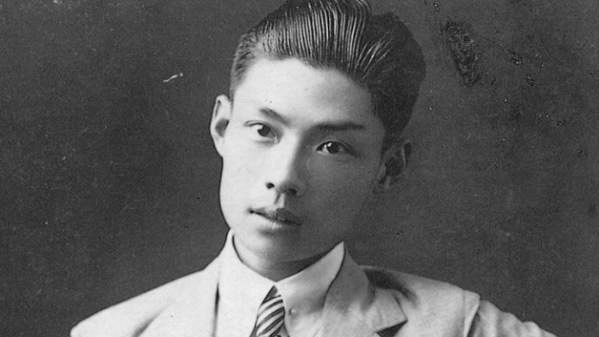
Xia Yan
Overview
Xia Yan (1900-1995) was a prominent Chinese playwright, screenwriter, and a significant figure in the development of modern Chinese theater and cinema. His works have left a lasting impression on the Chinese cultural landscape, and he is particularly recognized for his contribution to stage plays and film during the early to mid-20th century. Xia Yan's literary and cinematic contributions are celebrated for their socio-political narratives and the vivid portrayal of contemporary Chinese society.
Early Life and Career
Xia Yan was born in the early 20th century in China. His formative years were during a time of significant political and social upheaval in the country, which greatly influenced his later work. Xia Yan's early career was marked by his engagement with the complexities of Chinese society, which he explored through various artistic mediums, notably theater and cinema. He was deeply influenced by both Western literature and traditional Chinese culture, leading to a unique style that resonated with audiences of his time.
Contributions to Theater
Xia Yan's impact on Chinese theater is substantial, with his most renowned play being "Under the Roofs of Shanghai," written in the 1930s. The play is set in a crowded compound in Shanghai during the early 20th century and depicts the lives of people from diverse backgrounds and social statuses. This work is celebrated for its realistic portrayal of urban life, and it reflects the socio-economic challenges of the era. "Under the Roofs of Shanghai" remains a significant piece in the repertoire of Chinese theater, reflecting Xia Yan's skill in capturing the essence of the social dynamics of his time.
Influence in Cinema
In addition to theater, Xia Yan made significant contributions to Chinese cinema. He was involved in the production of numerous films that aimed to inspire nationalistic fervor and address social issues. One of his notable contributions was as a scriptwriter for the film "Children of Troubled Times," which included the song "March of the Volunteers," later becoming the national anthem of China. Xia Yan's work in cinema often intersected with his political beliefs, using film as a tool for social change and national consciousness.
Legacy and Recognition
Xia Yan's legacy in Chinese culture is profound and enduring. As a founding director of the Shanghai People's Theater Company in 1950—later merged into the Shanghai Dramatic Arts Center in 1995—his influence on modern Chinese theater and cinema remains significant. The Shanghai Dramatic Arts Center has honored his contributions by reviving his iconic plays, such as Under the Roofs of Shanghai, to commemorate important anniversaries and milestones, highlighting the continued relevance of his work.
Xia Yan's creative endeavors not only entertained audiences but also offered insightful social commentary on the issues of his time. His works are considered essential for understanding modern Chinese theatrical and cinematic history and continue to be studied and performed. Through his dedication to artistry as a vehicle for social reflection, Xia Yan has left an indelible mark on Chinese cultural heritage, influencing generations of playwrights, filmmakers, and audiences alike. His enduring impact cements his status as one of China's most respected cultural figures. Article reference1. Opera charts history of Shanghai's artistic wartime explosion. chinadaily.com.cn. 20242. Shanghai Dramatic Arts Center. chinaservicesinfo.com. 2017Photo Gallery(1 picture)CategoriesLiteratureTagModern and Contemporary LiteratureLiterary MastersRelatedHuabiao Film AwardsCatalogue1. Overview2. Early Life and Career3. Contributions to Theater4. Influence in Cinema5. Legacy and Recognition- - - []








